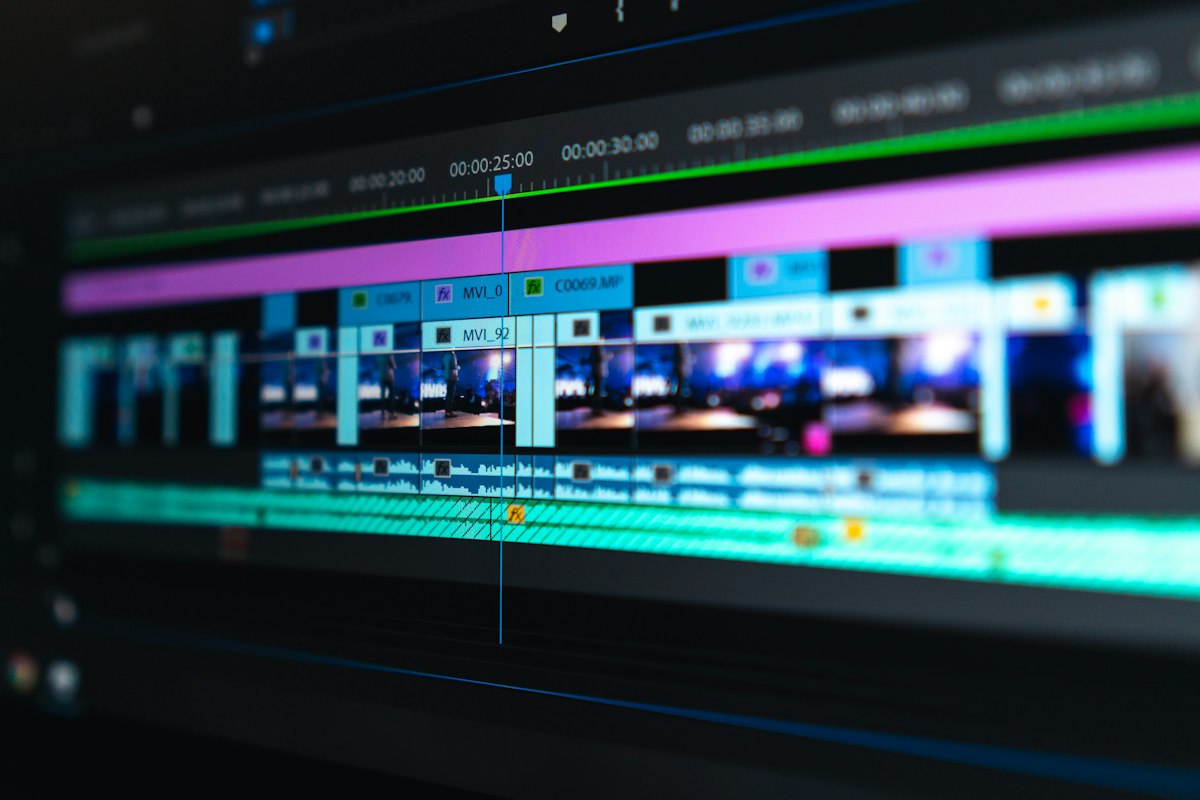
We get variations of the same question from almost every video agency we talk to for the first time: "So how does this actually work? Do you just translate the script and send it back?"
The short answer is no. The slightly longer answer is that the process depends a lot on what stage of production we come in at, and what the final deliverable needs to be.
Here's how a typical project with a video agency actually runs, from the initial brief to the moment the voice actor picks up the script.
Stage one: the brief
Before we touch a single line of script, we want to understand the project. Not just "translate this 90-second video script into German and French" but: what does the client do, who is the video for, what is the intended platform, what is the visual style, and, crucially, is there any timing constraint we need to hit?
That last point matters more than most agencies expect. A 90-second script in English has a certain word count. In German, a natural-sounding equivalent often runs longer. If you need it to stay at exactly 90 seconds, we need to make trade-offs in the translation: shorter sentences, fewer subordinate clauses, tighter constructions. That's not a problem, but we need to know before we start, not after we've delivered a draft.
A good brief takes ten minutes and saves a full revision round. We've structured a simple briefing template for agencies we work with regularly, so the information we need flows automatically rather than requiring a back-and-forth.
Stage two: translation and review
We do a first draft using AI-assisted translation on the informational content, then a human translator with marketing and video experience reviews the whole script. The review is not a quick proofread. It's checking that the tone carries over, that any idioms have been handled sensibly, and that the pacing works when you read the script aloud.
We also check for what we call dead spots: translated phrases that are accurate but that a voice actor will struggle to deliver naturally. These are usually a product of translating sentence by sentence rather than treating the script as a whole. We fix them before delivery.
For German scripts specifically, we also make a judgment call on register. German has a meaningful formal/informal distinction (Sie vs. du) that affects how the whole script reads. AI tools will make a choice. We make the right choice based on the audience and the brand.

Stage three: voice-ready delivery
The final deliverable is a script that a voice actor can pick up and perform with minimal back-and-forth. We include notes where there are pronunciation or pacing considerations, and we flag any lines where we made a significant creative decision, so your team can review if needed.
If you're working with us on an ongoing basis, which is how our best relationships with video agencies work, we also build up familiarity with your typical clients and their brand voices. After two or three projects, the briefing process gets faster because we already have context.
For agencies handling multiple language versions of the same video, we can coordinate across languages to ensure consistency, so the German, French, and Dutch scripts feel like they came from the same creative brief, not three separate translation jobs.
What we don't do
We don't do subtitles, we don't do video editing, and we're not a post-production house. Our scope is the script: from source-language copy to target-language copy that's ready for a voice actor or to be handed off to a subtitling workflow.
If you need subtitles created from a finished video, we'd need to be involved earlier to produce a proper transcript and timed translation. We're happy to advise on how to structure the workflow if you're setting up a multilingual video production process for the first time.
If this sounds like what you've been looking for, or if you've been handling translation in a way that causes friction and want to talk through what a different setup might look like, we're easy to reach.